Who's behind Recoeye?
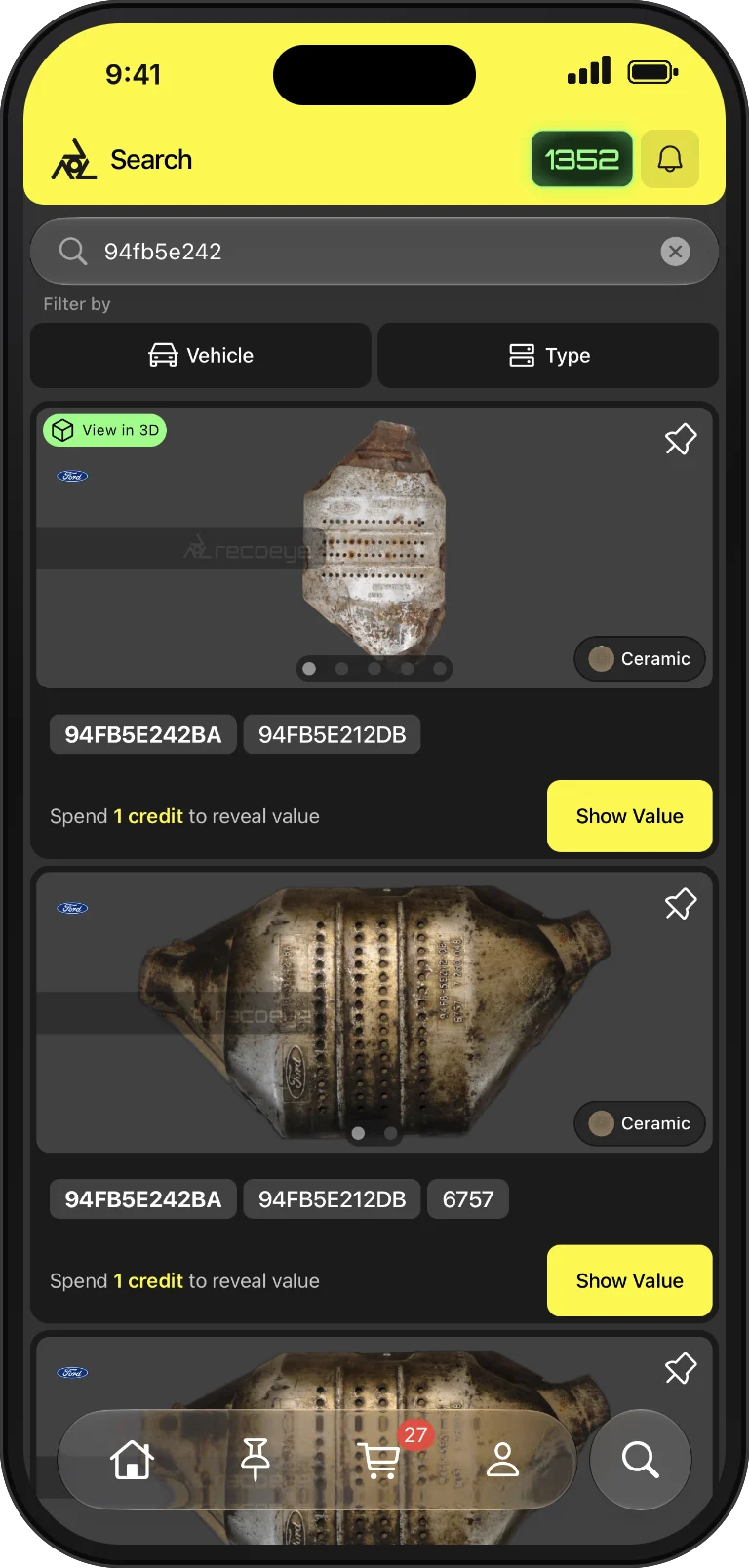
We have handled, analysed and recycled catalytic converters for around 20 years. Recoeye is how we share that knowledge with everyone who handles catalytic converters for a living: identify the model from the code on the shell and see its value in seconds. Download the app and check your first value



What is Recoeye?
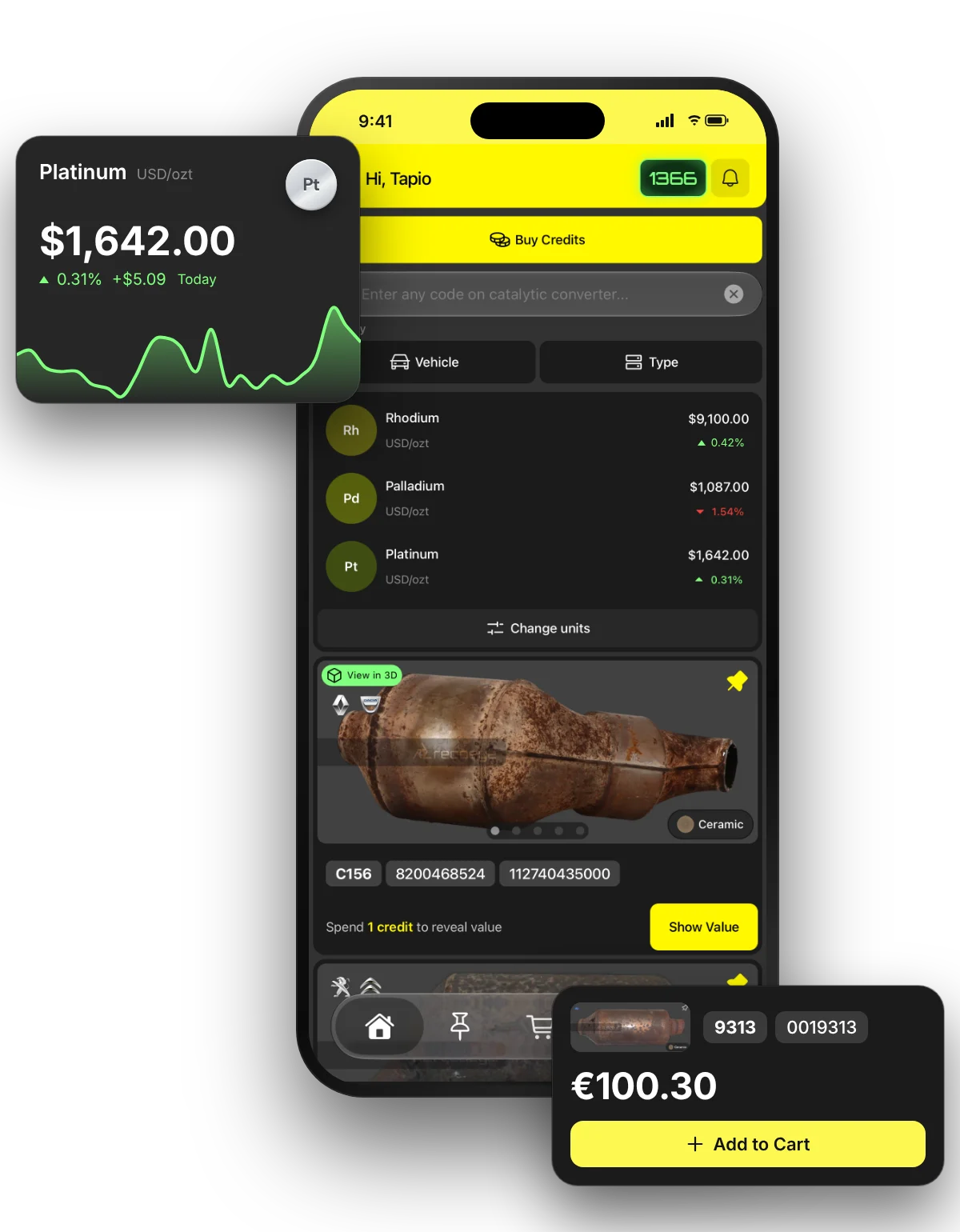
Recoeye is a mobile app that identifies a used catalytic converter from the code on its shell and calculates its value at today's metal prices.

Each dot is one catalytic converter model in the Recoeye database.
The app is made for people who handle catalytic converters professionally: traders, dismantlers, workshops and collectors. Recoeye does not buy catalytic converters itself; it passes offer requests to its trusted partners.
Behind Recoeye is a team that has worked in the catalytic converter industry for around 20 years. The app is available on the App Store and Google Play.
Why does Recoeye exist?
Recoeye exists because the value of a catalytic converter depends on the platinum, palladium and rhodium in its ceramic, and that amount differs from model to model. Without model-specific data it is hard to know what a catalytic converter is worth.
20 years
Over the past 20 years or so, we have handled a large number of catalytic converter batches at different stages of catalytic converter recycling and analysed their metal contents in a laboratory.
5 years ago
Five years ago, we had the idea of sharing that accumulated knowledge with more than just buyers.
Today
That is where Recoeye came from.
Our goal is simple: every catalytic converter sold for its real metal content, not for a guess.
What are Recoeye's values based on?
Recoeye's values are based on three things: platinum, palladium and rhodium market prices updated daily, a catalytic converter database built over around 20 years, and model-specific metal contents measured in a laboratory using the ICP method.
The database holds over 12,500 catalytic converter models from over 90 vehicle makes and over 50,000 photos. Every model's metal content has been analysed separately. It is this content, together with the day's metal prices, that decides what makes up a used catalytic converter's price.
Why is ICP analysis more accurate than XRF?
ICP analysis is more accurate than XRF because it measures the whole sample, not just its surface. That is why Recoeye's model-specific metal contents are laboratory grade, not quick readings. The value the app shows is the catalytic converter's metal value today.
ICP
In the ICP method the ceramic is ground, the sample is dissolved and the amount of each metal is measured in a plasma.
XRF
XRF is fast and practical for sorting: a handheld device reads the metal content from the surface of the ceramic, so the result depends on where you measure.
 Huge Numbers
Recycling starts
with the right data
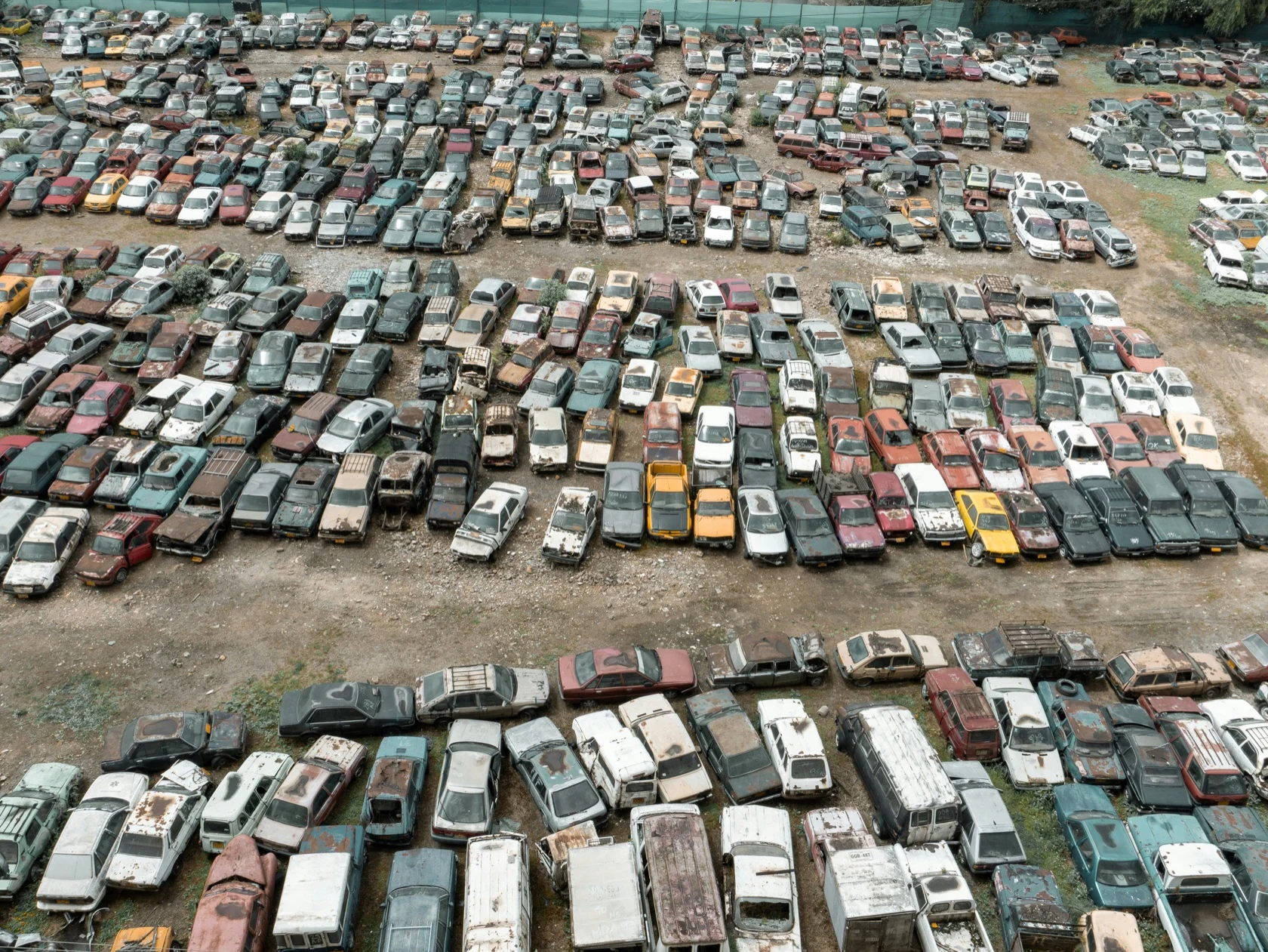
- 12,500+Catalytic converters
- 50,000+Photos
- 20Years in the industry
Who is Recoeye for?
Recoeye is for people who handle catalytic converters for a living and for whom the value of a batch is a daily question.
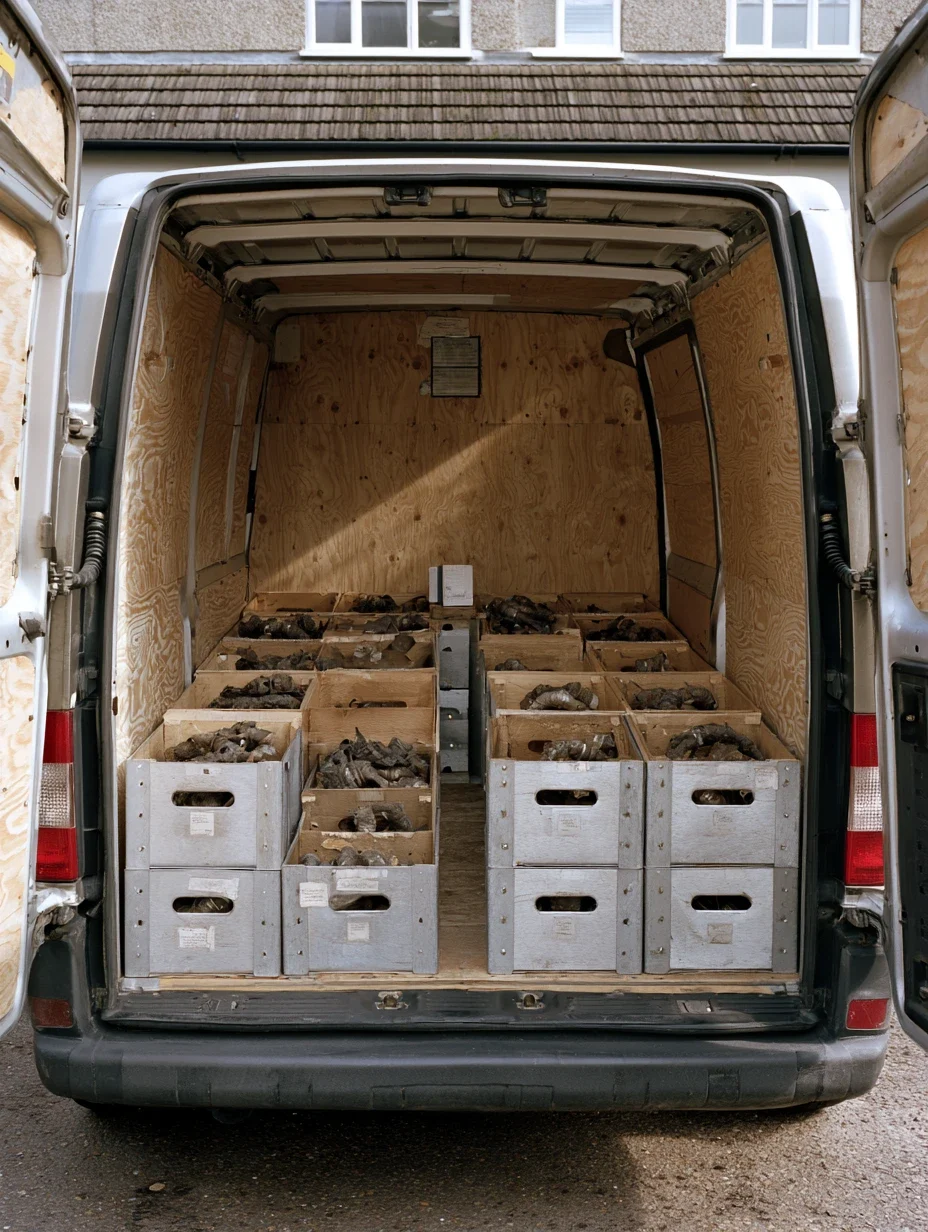
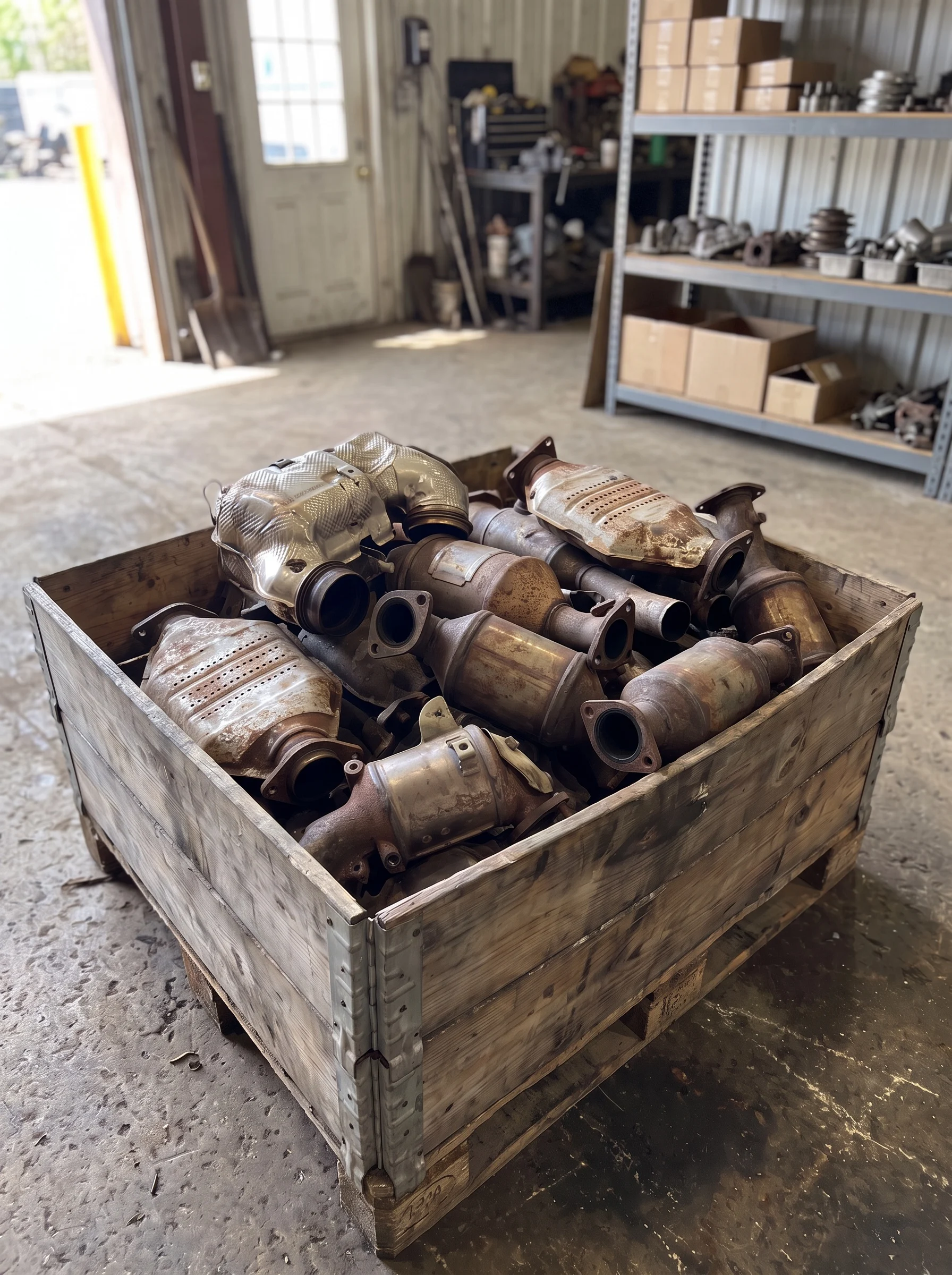
Catalytic converter traders
The value of a batch before buying and an offer request without a round of phone calls.
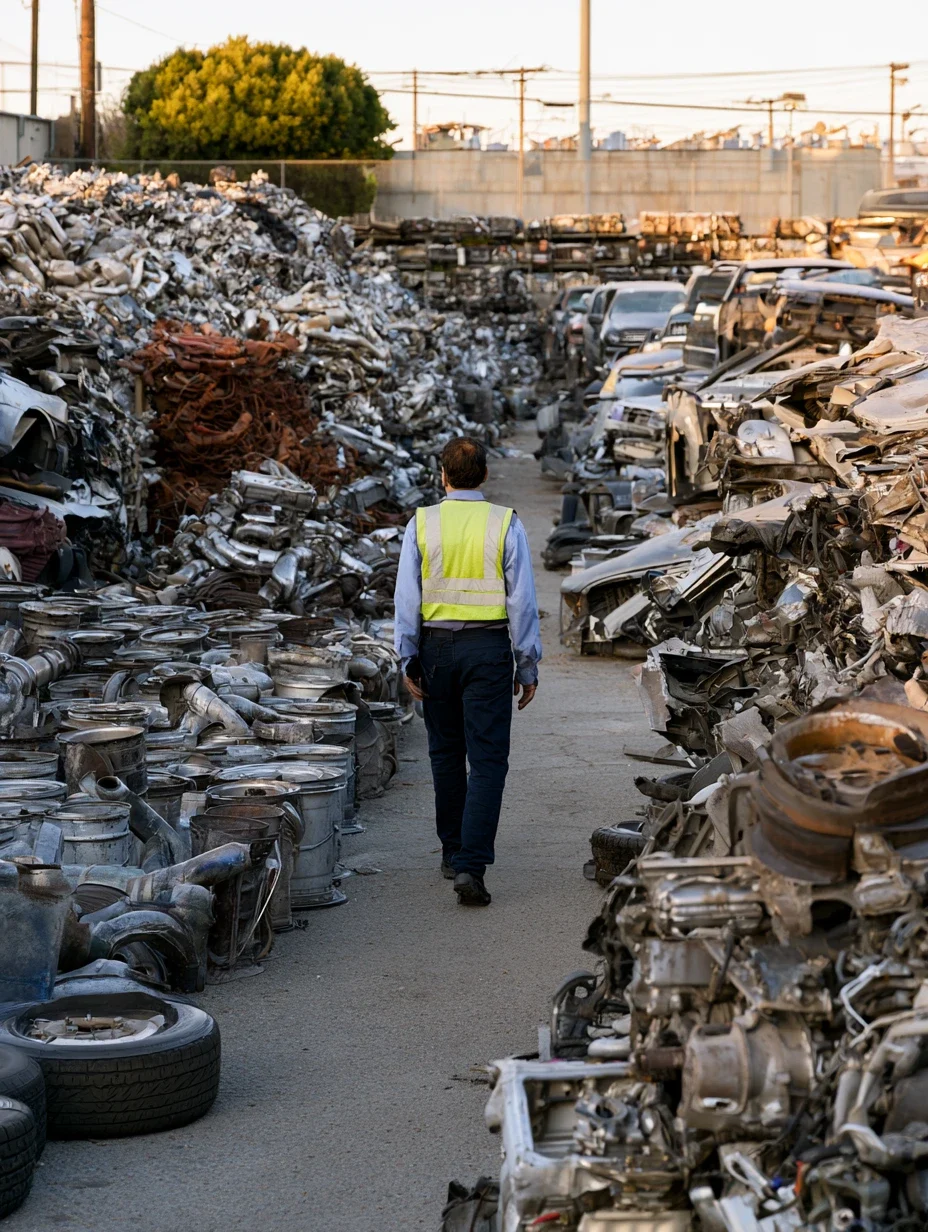
Dismantlers and scrap yards
The value of every removed catalytic converter right away, before it goes on the pallet.
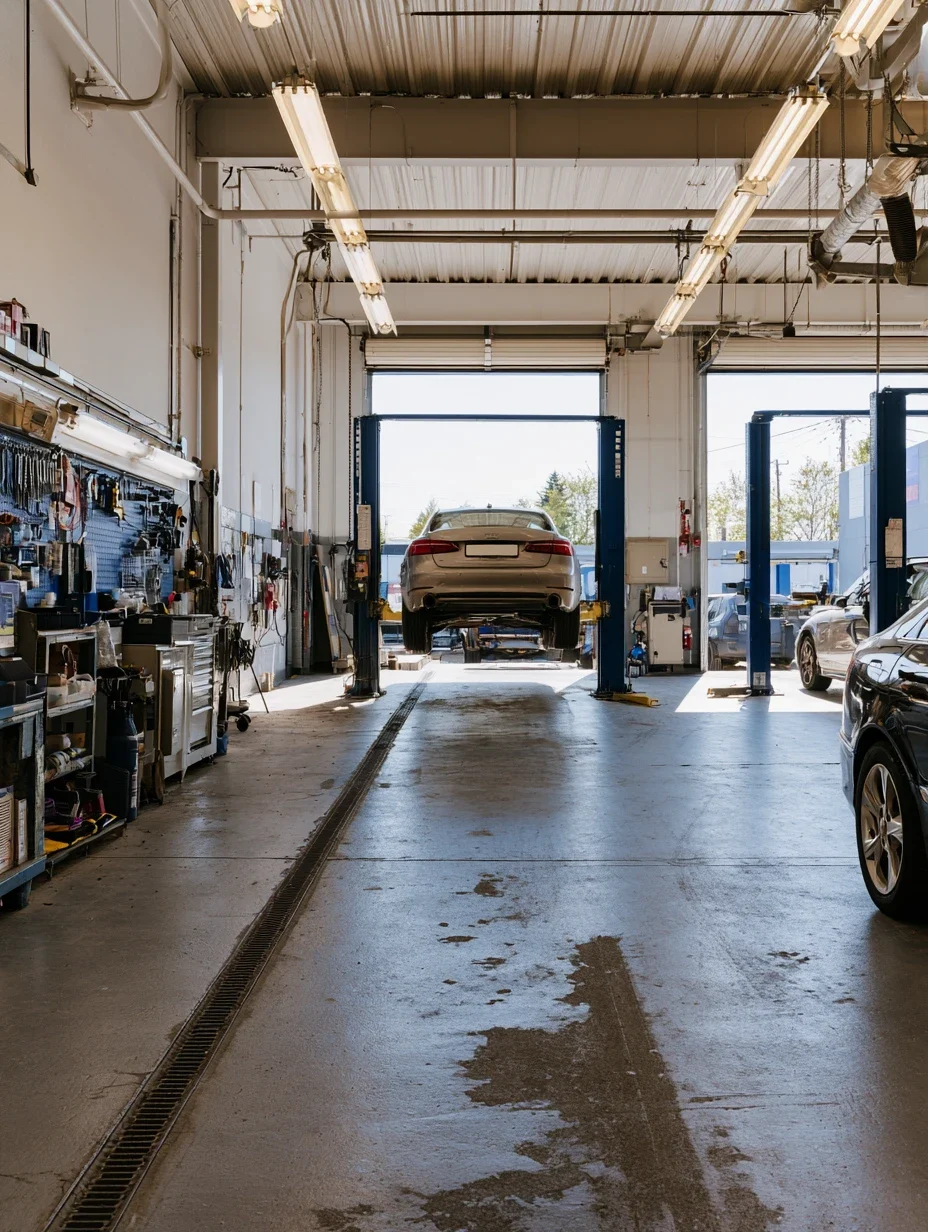
Workshops and garages
The value of a replaced catalytic converter for the customer and for your own sales.
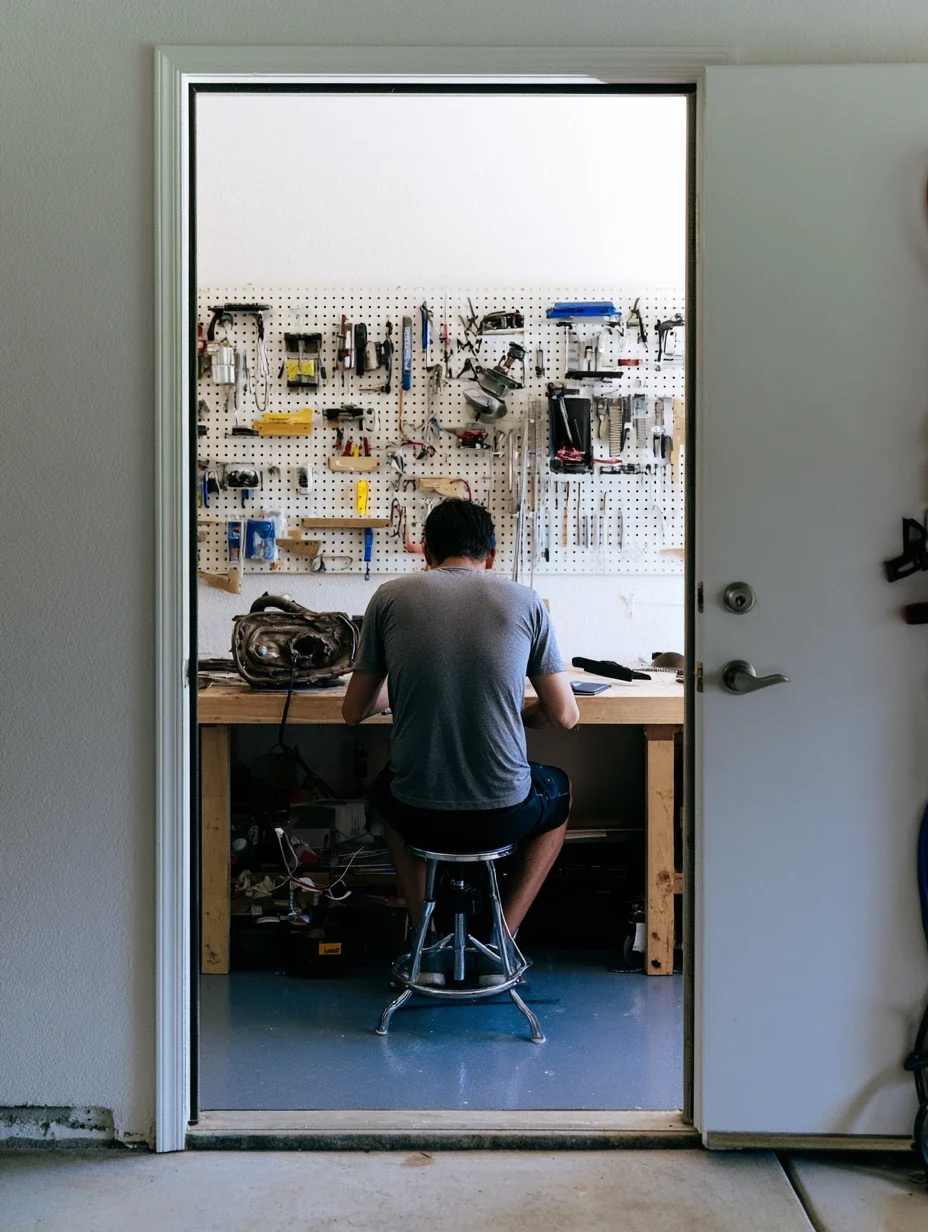
Independent collectors
The same data and the same offer process as the big players.

Performance shops
The value of the original catalytic converter you take off when you upgrade a car.
How does Recoeye work with partners?
Recoeye works with partners like this: the user sends their cart as an offer request, and our trusted partners send their offer to the app. Our partners are industry buyers we have traded with for years, and the trust goes both ways. Nothing is agreed until the user accepts the offer.
We have partners in different parts of the world, so an offer request finds a buyer wherever the batch is located. Recoeye does not buy catalytic converters and has no say in which offer the user accepts: the sale of the catalytic converter takes place between the user and the partner.
Recoeye app: an offer request for 17 catalytic converters is sent, and a final offer of €1,813.24 arrives with buttons to reject or confirm it.
FAQ
Frequently asked questions about Recoeye
Does Recoeye buy catalytic converters?
Recoeye does not buy catalytic converters. The app identifies the catalytic converter, calculates its value and passes the offer request to our trusted partners, who make the offer. The user decides whether to accept it, and the sale is made with the partner.
Where does Recoeye's data come from?
Recoeye's data comes from three sources: precious metal market prices updated daily, a catalytic converter database built over around 20 years, and model-specific metal contents measured in a laboratory using the ICP method. The database holds over 12,500 models and 50,000 photos.
What is the difference between ICP and XRF analysis?
ICP analysis measures the metal content of the whole sample by dissolving it, while XRF measures the content on the surface of the ceramic with a handheld device. XRF is fast, but the result depends on where you measure. ICP is a laboratory method whose result reflects the whole ceramic, and that is why Recoeye uses it.
Is Recoeye meant for private individuals?
Anyone can use Recoeye. It is built for people who handle catalytic converters for a living: traders, dismantlers, workshops and collectors, and the offer process is made for batches.
Who are Recoeye's partners?
Recoeye's partners are catalytic converter buyers we have traded with for years. We have partners in different parts of the world, and every offer comes from a partner we trust. Partners check that the batch matches the request (codes and condition) when they receive it.
Where does Recoeye operate?
Recoeye operates internationally: the partner network covers several countries. The app can be downloaded from the App Store and Google Play, and values are shown in US dollars and your local currency.

Your catalytic converter's value is seconds away
20 years of experience is now in your pocket. Download Recoeye, enter the code on the shell and see what your catalytic converter is worth today. Your first values are free, and requesting an offer commits you to nothing.